Hotels located near popular tourist attractions offer a unique opportunity for travelers to immerse themselves in the heart of vibrant locales. The importance of having your accommodations close to these must-see sites cannot be overstated; it not only enhances convenience but also enriches the overall travel experience. From luxury stays to budget-friendly options, the proximity to iconic landmarks can significantly influence a trip’s enjoyment and accessibility.
Choosing a hotel in close range of popular attractions allows for spontaneous adventures and easier exploration of local cultures and cuisines. With various hotel categories available, ranging from boutique to luxury, travelers can find accommodations that cater to their specific needs and preferences. Moreover, understanding the impact of location on pricing and availability can help make informed decisions, ensuring that every stay is memorable.






Importance of Location in Hotel Selection
When planning a trip, the choice of hotel is crucial, and location plays a significant role in this decision. Hotels situated near popular tourist attractions offer travelers the convenience of easy access to the sights they wish to see, enhancing their overall travel experience. A prime location can transform a trip by minimizing travel time and maximizing enjoyment, making the choice of lodging essential in crafting the perfect getaway.
The location of a hotel profoundly affects the convenience and overall experience for travelers. Proximity to attractions means less time spent commuting and more time spent enjoying the destinations. This is particularly important in bustling cities where traffic and long distances can detract from leisure time. Furthermore, staying near key sites can provide opportunities to explore local dining and cultural experiences without the hassle of lengthy journeys. Thus, the location is not merely a convenience but a factor that shapes the entire travel experience.
Impact of Location on Hotel Prices and Availability
Location directly influences hotel pricing and availability, with properties near tourist attractions often commanding higher rates. Travelers frequently prioritize convenience, and as a result, hotels in prime locations may see increased demand, leading to higher prices. Understanding this pricing dynamic is essential for making informed travel choices.
Several factors contribute to the relationship between location and hotel prices:
- Demand Surge: High visitor traffic to a particular area creates a surge in demand for nearby accommodations, driving prices up during peak seasons or special events.
- Accessibility: Hotels that are easy to reach or close to public transport hubs tend to charge premium rates due to their desirability.
- Unique Experiences: Properties that offer unique views or experiences related to local attractions can also justify higher rates. For example, hotels with a view of famous landmarks often have elevated prices.
Availability is another crucial aspect influenced by location. Popular tourist areas often witness swift bookings, especially during peak travel seasons. Travelers must plan ahead and book early to secure accommodations that meet their preferences and budget.
“Choosing a hotel based on location is not just about convenience; it’s about enhancing the travel experience by maximizing enjoyment and minimizing time spent in transit.”
Types of Hotels Near Popular Tourist Attractions
Hotels located near popular tourist attractions cater to a diverse range of travelers, each with unique preferences and budgets. Selecting the right type of hotel can significantly enhance the travel experience, making proximity to attractions a critical factor. Understanding the various categories of hotels available helps travelers make informed choices that align with their needs and expectations.
Hotels near tourist hotspots can be broadly classified into several categories, including luxury, budget, and boutique hotels. Each type offers distinct features and amenities that appeal to different traveler demographics. This classification not only guides travelers based on their budget but also helps them find accommodations that complement their travel style.
Categories of Hotels
The following list highlights the different hotel categories available near popular tourist destinations, along with notable examples and amenities typically provided:
- Luxury Hotels: These establishments provide high-end accommodations and exceptional service. Guests can enjoy fine dining, spa services, and other premium amenities. Examples include The Ritz-Carlton in Paris and The Four Seasons in New York City.
- Budget Hotels: Ideal for cost-conscious travelers, budget hotels offer essential amenities at an affordable price. Examples include Holiday Inn Express and Motel 6, which provide comfortable lodging without breaking the bank.
- Boutique Hotels: These smaller, unique hotels often reflect the local culture and offer personalized service. They usually feature stylish decor and cater to niche markets. Notable examples include The NoMad Hotel in New York and Hotel Amour in Paris.
- Family-Friendly Hotels: Designed to accommodate families, these hotels offer spacious rooms and kid-friendly amenities like pools and play areas. Examples include Disney’s Art of Animation Resort and The Legoland Hotel in California.
- Hostels: A favorite among backpackers and budget travelers, hostels provide shared accommodations and communal spaces. They foster a social atmosphere and are often located near major attractions. Notable examples include HI Hostels and Generator Hostels.
Amenities Commonly Found in Hotels
When choosing a hotel near tourist attractions, amenities play a crucial role in enhancing guest satisfaction and comfort. Common amenities include:
- Free Wi-Fi: Essential for travelers who want to stay connected.
- Complimentary Breakfast: Many hotels offer breakfast options to provide convenience and value.
- Fitness Centers: On-site gyms allow guests to maintain their fitness routines while traveling.
- Swimming Pools: A popular amenity that adds leisure options for guests.
- Concierge Services: Helpful for obtaining local information, booking tours, and making dining reservations.
- Room Service: Allows guests to enjoy meals in the comfort of their rooms.
“Choosing the right type of hotel can transform your travel experience, making it more enjoyable and memorable.”
Understanding the different types of hotels and the amenities they offer enables travelers to select accommodations that best suit their needs, ensuring a delightful stay near their favorite attractions.
Advantages of Staying Close to Attractions: Hotels Located Near Popular Tourist Attractions
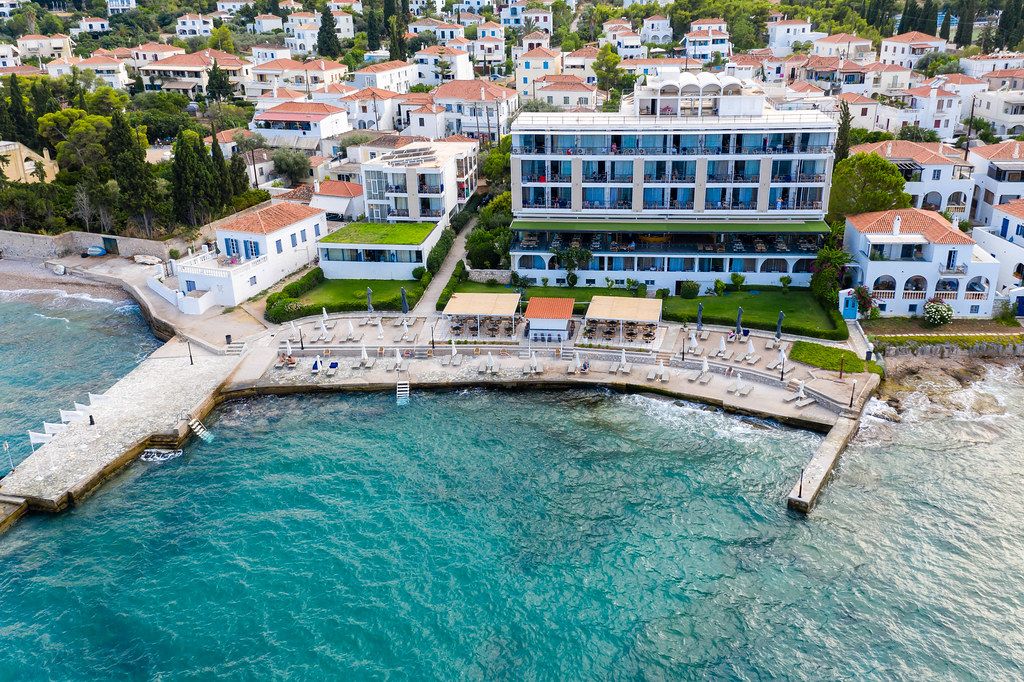
Staying near popular tourist attractions offers numerous advantages that can significantly enhance the travel experience. The convenience of location can reduce travel time, allowing guests to maximize their time exploring rather than commuting. Furthermore, proximity to attractions often fosters deeper engagement with local culture and cuisine, providing opportunities for spontaneous adventures and unique experiences.
Reduced Travel Time to Attractions
One of the most significant benefits of staying close to attractions is the reduction in travel time. Proximity means that tourists can easily walk or take short trips to their desired destinations, which can lead to a more relaxed and enjoyable vacation. Instead of spending hours in transit, guests can allocate their time to sightseeing, shopping, or indulging in local cuisine.
Consider the following advantages of minimized travel time:
- Convenience: Easily accessible attractions mean less stress related to transportation logistics.
- Flexibility: With short distances to cover, guests can alter their plans on a whim, discovering unexpected gems along the way.
- More Activities: Extra time gained can be spent exploring additional sites or engaging in last-minute tours, enhancing the overall experience.
Enhanced Exploration of Local Culture and Cuisine, Hotels located near popular tourist attractions
Staying in close proximity to attractions facilitates a deeper connection to the local culture and culinary scene. When hotels are located near cultural hotspots, guests are more likely to explore local markets, food stalls, and restaurants that reflect the region’s unique flavors and traditions.
Staying nearby allows tourists to:
- Immerse in Authenticity: Proximity encourages deeper interactions with locals, leading to authentic experiences often missed by tourists who stay further away.
- Sample Diverse Cuisines: Locating oneself near various eateries provides easy access to a wide array of culinary delights, from street food to fine dining.
- Participate in Local Events: Being close to cultural events and festivals creates opportunities to engage with the community and partake in unique local traditions.
Opportunities for Spontaneous Travel Plans and Experiences
The convenience of being near major attractions allows guests to take advantage of spontaneous travel plans. With less time spent on logistics, travelers can explore on impulse, leading to memorable, unplanned experiences that often become highlights of their trips.
Advantages of spontaneity include:
- Freedom to Explore: Guests can easily change their itinerary based on weather, mood, or recommendations, enriching their travel experience.
- Discovery of Hidden Gems: Last-minute explorations may lead to finding local sights or experiences that are not highlighted in travel guides.
- Increased Social Interaction: Proximity to popular areas often leads to meeting fellow travelers and locals, fostering connections and shared experiences.
Considerations When Choosing Hotels Near Attractions

Selecting the right hotel near popular tourist attractions can significantly enhance your travel experience. Given the abundance of options, it is essential to weigh various factors that can influence the quality of your stay. By taking time to evaluate these considerations, you can find accommodations that not only fit your budget but also provide easy access to the sites you want to explore.
Among the many aspects to consider, here is a practical checklist that will help streamline your decision-making process:
Checklist of Factors for Hotel Selection
When choosing a hotel close to attractions, it’s important to assess the following factors to ensure a satisfying stay:
- Location: Proximity to key attractions can save you time and transportation costs.
- Price: Analyze the cost against your budget and the offerings provided.
- Amenities: Check for essentials like Wi-Fi, breakfast, and parking facilities.
- Accessibility: Consider the accessibility of public transportation and other means of getting around.
- Safety: Research neighborhood safety, particularly if you plan to explore at night.
- Cancellation Policies: Understand the terms in case your travel plans change unexpectedly.
Evaluating these points gives you a comprehensive view of what each hotel can offer, making the selection process much easier.
Trade-offs Between Price and Convenience
Staying in prime locations often comes with a higher price tag, but this cost can be justified by the convenience it provides. Being close to tourist attractions can reduce travel time significantly, allowing you to maximize your exploration of the area. However, it’s crucial to balance this convenience with your budget constraints.
For instance, while a hotel near a famous landmark may charge significantly more, consider the added value of time saved on transportation and the chance to return to your room for a break when needed. On the contrary, opting for budget accommodations a bit further away may require additional commuting time, potentially diminishing your overall travel experience.
Ultimately, deciding whether the price is worth the convenience depends on your travel style and priorities.
Importance of Reading Reviews and Ratings
Before finalizing your hotel choice, reading reviews and ratings from previous guests can provide insights that are not always evident in promotional materials. Reviews often highlight real experiences regarding cleanliness, customer service, and the accuracy of the hotel’s advertised amenities.
Look for patterns in feedback to get a clearer picture of what to expect. For instance, if multiple guests mention noise issues or unhelpful staff, it may be a red flag. Conversely, consistent praise for a hotel’s friendly atmosphere or exceptional service can be a good indicator of a worthwhile stay.
“Authentic reviews can reveal hidden gems or help you avoid potential pitfalls.”
Checking ratings on reputable travel websites can also guide your decision. Ratings reflect guest satisfaction and can help you compare different hotels effectively. By diligently reviewing this information, you can choose an accommodation that meets your expectations and enhances your travel experience.
Strategies for Finding the Best Hotels Near Tourist Attractions
Finding the ideal hotel near popular tourist attractions can significantly enhance your travel experience. With numerous options available, implementing effective strategies can lead to better choices and savings. This guide will navigate you through essential methods for conducting hotel searches, leveraging user-generated content, and securing discounts.
Methods for Conducting Effective Hotel Searches
Utilizing travel websites efficiently can streamline the hotel search process. To optimize your search, consider the following methods:
- Use Multiple Travel Websites: Platforms like Expedia, Booking.com, and Hotels.com offer different rates and availability. Comparing these can reveal better options.
- Apply Filters: Narrow down your search by utilizing filters such as price range, amenities, and distance from attractions. This ensures that you only view hotels that meet your specific needs.
- Check Location Maps: Many travel sites provide maps that show hotel locations in relation to major attractions. This visual aid helps you gauge the proximity of your accommodation.
- Read Reviews: Look for user reviews and ratings on various travel sites. They provide insights into cleanliness, service, and overall guest satisfaction.
- Book in Advance: Often, booking ahead of time ensures better rates. Prices tend to rise as the travel date approaches, especially near popular attractions.
Leveraging User-Generated Content for Better Hotel Choices
User-generated content, such as reviews and travel blogs, plays a vital role in hotel selection. To make the most of this resource, keep these tips in mind:
- Read Recent Reviews: Focus on recent comments from travelers to get an updated perspective on the hotel’s current condition and service quality.
- Follow Influencers: Travel bloggers and influencers often share their experiences in detail, providing valuable recommendations and tips that you may not find in standard reviews.
- Engage with Online Communities: Join travel forums and social media groups where members share their personal hotel experiences, offering insights that can help inform your decision.
- Check Photo Galleries: User-uploaded images can give you a realistic view of the hotel’s ambiance, facilities, and surroundings, beyond the polished photos provided by the hotels themselves.
Securing Deals or Discounts on Hotels Near Attractions
Finding the best deals on hotels can make your trip more affordable. Consider these strategies to maximize savings:
- Sign Up for Alerts: Many travel websites and hotel chains allow you to sign up for price alerts. This way, you’ll be notified when prices drop for hotels in your selected area.
- Utilize Cashback Programs: Websites like Rakuten or credit cards with travel rewards can provide cashback or points for hotel bookings, effectively reducing your overall costs.
- Look for Package Deals: Often, booking flights and hotels together can yield significant discounts compared to booking separately. Many travel sites offer these packages.
- Check Directly with Hotels: Sometimes, hotels provide better rates for direct bookings on their websites, or they may have exclusive offers that third-party sites do not advertise.
- Explore Last-Minute Deals: If you are flexible with your travel dates, last-minute booking apps like HotelTonight can offer substantial discounts on unsold rooms.
Case Studies of Popular Tourist Destinations
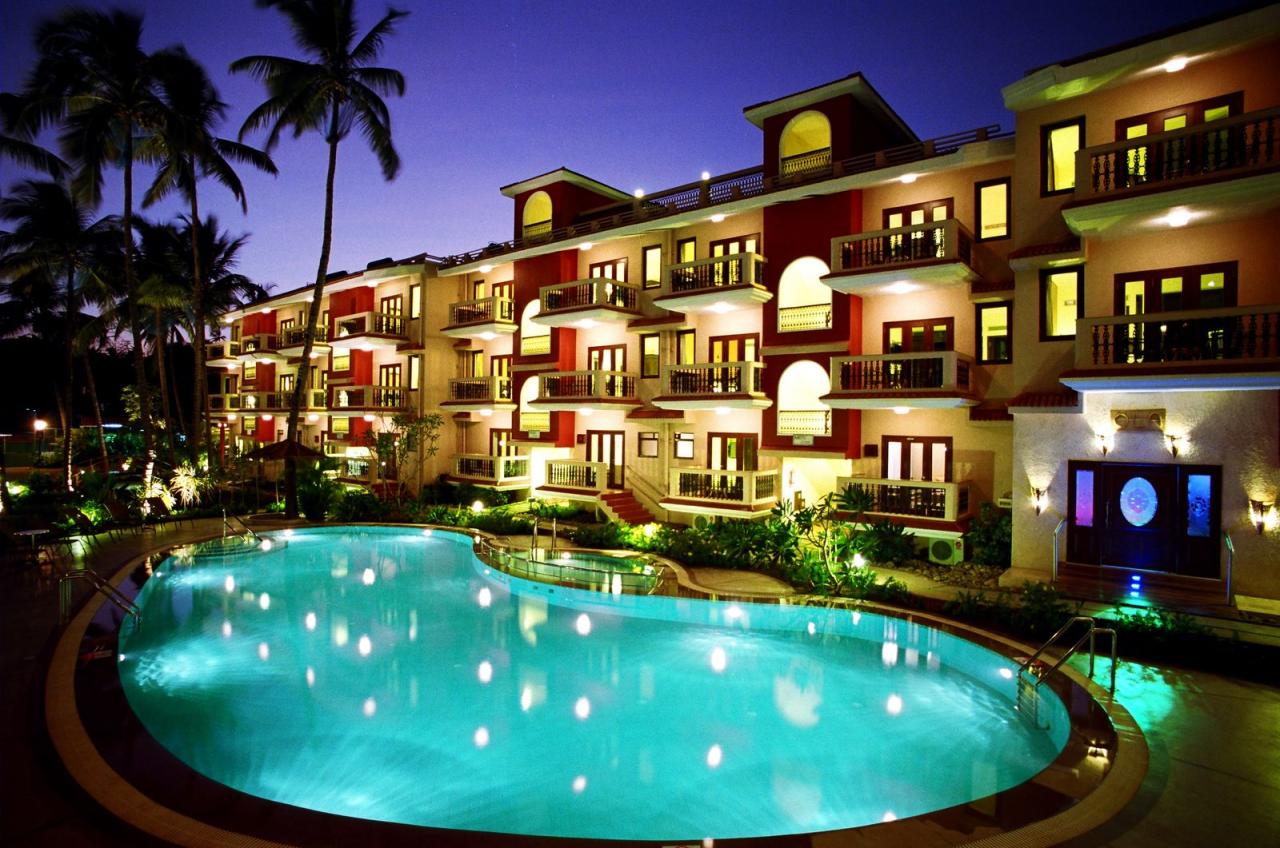
In the realm of travel, the location of hotels plays a critical role in enhancing the overall visitor experience. This segment delves into specific cities that exemplify the importance of proximity to popular tourist attractions, analyzing hotel options based on price and features, and identifying trends in accommodations linked to the allure of local sights. Understanding these case studies can inform travelers’ decisions and enhance their stay.
Paris: The City of Light
Paris stands out as a prime destination for travelers seeking a blend of culture, history, and romance. The city is home to numerous hotels that cater significantly to tourists eager to explore iconic landmarks such as the Eiffel Tower and the Louvre Museum.
– Hotel Options:
– *Le Meurice*: Renowned for its luxury, it offers rooms with stunning views of the Tuileries Garden, averaging around €600 per night.
– *Hotel du Louvre*: Positioned right next to the Louvre, it features elegant decor and starts at approximately €250 per night.
– *Generator Paris*: A trendy hostel option for budget travelers, with prices starting at €30 per night for dormitory beds.
The diversity in accommodation types indicates a trend where hotels are adapting to cater to various budgets while maintaining proximity to major attractions.
New York City: The Urban Jungle
New York City, with its vibrant energy and extensive attractions, offers a multitude of hotel choices near famous sites like Times Square and Central Park.
– Hotel Comparisons:
– *The Standard, High Line*: A high-end hotel boasting modern amenities and views of the Hudson River, with rates starting at $300 per night.
– *The Pod Hotel*: A more affordable choice, offering compact rooms in a prime location starting around $150 per night.
– *HI NYC Hostel*: This budget-friendly hostel provides dormitory-style accommodations for approximately $50 per night.
The competitive pricing among hotels in NYC reflects a trend towards creating more accessible lodging options while remaining close to the heart of the city’s attractions.
Tokyo: A Fusion of Tradition and Modernity
Tokyo, a city that beautifully merges the traditional with the ultra-modern, attracts millions of tourists each year. With proximity to attractions like Shibuya Crossing and the Senso-ji Temple, the city’s hotels are strategically located.
– Accommodation Features:
– *The Peninsula Tokyo*: A luxurious option featuring spacious rooms and excellent service, with rates around ¥50,000 per night.
– *Shinjuku Granbell Hotel*: A mid-range choice with stylish design and proximity to Shinjuku Station, starting at about ¥15,000 per night.
– *K’s House Tokyo*: A budget-friendly, comfortable hostel with rates beginning at ¥3,500 per night.
The variety of accommodations in Tokyo highlights a trend towards offering unique experiences, catering to different preferences while amplifying the connection to the city’s vibrant culture.
Travelers increasingly seek hotels that not only provide comfort but also an immersive experience by being close to the attractions they wish to visit.
Travel Tips for Booking Hotels Near Attractions
Finding the perfect hotel near popular tourist attractions can significantly enhance your travel experience. With the right strategies, you can secure accommodations that not only cater to your needs but also keep you close to the heart of the action. Understanding how to navigate the booking process, especially during peak seasons, can ensure a smooth and enjoyable stay.
When booking hotels near attractions, timing and planning are crucial. During peak tourist seasons, prices can soar, and availability dwindles. Thus, travelers should take proactive measures to navigate this landscape effectively. Here are some key tips to consider:
Booking Hotels During Peak Tourist Seasons
Planning your travel during peak seasons requires a strategic approach to ensure you don’t miss out on your preferred accommodations. Understanding the following factors can help optimize your booking experience:
- Book Early: Secure your accommodations as early as possible, ideally several months in advance. Popular destinations tend to fill up quickly, and early bookings often come with better rates.
- Use Price Alerts: Utilize travel websites that offer price alerts, notifying you when specific hotels drop in price, which can help you snag a deal.
- Flexible Dates: If your travel schedule allows, consider adjusting your travel dates to avoid peak influx days, typically weekends, or holidays. Mid-week stays can be more affordable.
Planning Itineraries Around Hotel Locations
Creating a well-structured itinerary is essential for maximizing your time near attractions. Consider the following strategies to ensure your daily plans align with your hotel’s location:
- Research Nearby Attractions: Before booking, research which attractions are within walking distance or a short transit ride from your hotel. This helps minimize travel time and maximizes your sightseeing.
- Prioritize Must-Sees: List out your must-see attractions and group them by proximity to your hotel. This can help you efficiently plan your days, reducing unnecessary travel.
- Use Maps and Apps: Leverage digital maps and travel apps to visualize your itinerary and hotel location. This aids in planning routes and understanding the best transport options available.
Importance of Cancellation Policies and Flexible Bookings
Cancellation policies and flexibility are crucial aspects of hotel bookings, especially when traveling near crowded tourist attractions. Being aware of these factors can save you time and money:
- Read the Fine Print: Always check the cancellation policies before confirming your booking. Policies can vary greatly between hotels, with some offering full refunds and others imposing strict penalties.
- Look for Flexible Options: Opt for hotels that provide flexible booking options, allowing changes or cancellations without heavy penalties. This is particularly valuable if your travel plans are subject to change.
- Consider Travel Insurance: In unpredictable situations, such as health issues or sudden travel restrictions, travel insurance can offer additional peace of mind, covering cancellation fees in certain circumstances.
Understanding peak seasons, planning itineraries, and paying attention to cancellation policies can significantly enhance your hotel booking experience near key attractions.
When traveling, staying at unique boutique hotels with local charm can enhance your experience significantly. These accommodations often reflect the culture and history of their surroundings, providing an authentic feel that larger chains can’t match. Discovering unique boutique hotels with local charm allows you to immerse yourself in the local lifestyle, making your trip memorable and genuinely special.
If you’re looking for a place to stay that truly embodies the essence of a location, exploring unique boutique hotels with local charm is a fantastic start. These accommodations often showcase local decor, provide personalized service, and allow you to immerse yourself in the culture right from the moment you check in. Whether nestled in a bustling city or a quiet village, these hotels promise an experience tailored to the local vibe.