Historical luxury hotels that are worth a visit sets the stage for this enthralling narrative, offering readers a glimpse into a story that is rich in detail and brimming with originality from the outset. These hotels are not merely places to stay; they are living monuments of history, reflecting the architectural grandeur and cultural significance of their eras. From opulent ballrooms to intricately designed facades, these establishments invite travelers to experience the past while enjoying modern comforts.
As we delve deeper into the world of historical luxury hotels, we will explore their unique architectural styles, the cultural contexts that shape their ambiance, and the tales that echo through their halls. This journey will also highlight the evolution of services that set these hotels apart, their commitment to sustainability, and the exciting trends that lie ahead in the hospitality industry.






Overview of Historical Luxury Hotels
Historical luxury hotels are establishments that not only provide premium accommodations but also possess significant historical value. These hotels are often housed in buildings that have stood the test of time, reflecting the architectural styles and cultural heritage of their respective eras. They serve as a bridge between the past and the present, allowing guests to experience a unique blend of luxury and history.
The significance of historical luxury hotels in tourism cannot be overstated. They attract travelers seeking more than just a place to stay; these hotels offer an immersive experience in local culture, architecture, and history. Guests often find themselves walking through halls that have hosted royalty, celebrities, and influential figures throughout history. This connection to the past enhances the overall travel experience and promotes appreciation for the region’s historical context, making these hotels a vital aspect of the tourism landscape.
Notable Historical Luxury Hotels Globally
Across the globe, numerous historical luxury hotels stand out due to their unique stories and opulent offerings. These establishments not only provide lavish accommodations but also offer a glimpse into the rich tapestry of history. Here are some noteworthy examples:
- The Ritz London, England: Opened in 1906, this iconic hotel has hosted numerous dignitaries and celebrities. Its lavish interiors and impeccable service make it a symbol of British luxury.
- Hotel Danieli, Venice, Italy: A stunning example of Venetian Gothic architecture, this hotel has welcomed guests since the 14th century. Its grand ballroom and luxurious suites overlook the enchanting canals of Venice.
- Hotel de Crillon, Paris, France: This historic hotel, originally built in the 18th century, boasts stunning views of the Place de la Concorde and offers a blend of classic French elegance and modern luxury.
- The Fairmont Banff Springs, Canada: Known as the “Castle in the Rockies,” this hotel has been a favorite since 1888. Its stunning mountain backdrop and luxurious amenities attract visitors year-round.
- Raffles Hotel, Singapore: Established in 1887, this hotel is famous for its colonial architectural style and has been an enduring symbol of Singapore’s hospitality and culture.
The allure of these hotels lies not only in their luxury but also in the stories they tell. Each property serves as a narrative canvas, showcasing the events and personalities that have shaped their cities and cultures over the years. Guests at these historical luxury hotels can indulge in opulence while also stepping back in time, adding a profound layer to their travel experiences.
Architectural Styles of Historical Luxury Hotels
The architectural styles of historical luxury hotels are as diverse as the destinations they inhabit. These buildings not only serve as a place of accommodation but also stand as testaments to the artistic and cultural movements of their time. From majestic castles to elegant villas, the design of these hotels enhances the overall guest experience, immersing visitors in a rich tapestry of history and elegance.
The interplay between architecture and guest experience is profound. A hotel’s design can evoke a sense of grandeur, nostalgia, or even whimsy, creating an ambiance that enriches the stay. Guests often find themselves transported to another era, surrounded by intricate moldings, opulent chandeliers, and sweeping staircases. Each architectural style brings its own unique character and charm, making the journey through these hotels a memorable one.
Comparison of Architectural Styles, Historical luxury hotels that are worth a visit
A variety of architectural styles can be found in historical luxury hotels, each with distinct features and aesthetics. Understanding these styles not only enhances appreciation for the buildings but also informs guests about the cultural significance behind them. Below is a comparison table showcasing some prominent architectural styles represented in luxury hotels.
| Architectural Style | Features | Notable Examples |
|---|---|---|
| Gothic Revival | Pointed arches, ribbed vaults, and flying buttresses that create an ethereal atmosphere. | The Fairmont Banff Springs, Canada |
| Victorian | Ornate detailing, decorative trims, and rich colors that reflect the opulence of the era. | The Savoy, London |
| Beaux-Arts | Grandiose scale, symmetry, and classical elements such as columns and elaborate facades. | The Ritz Paris, France |
| Art Deco | Sleek lines, geometric shapes, and lavish materials, embodying the spirit of the Roaring Twenties. | The Delano, Miami Beach |
| Neoclassical | Imposing structures with columns, domes, and a nod to ancient Greek and Roman architecture. | The Waldorf Astoria, New York City |
Each style offers a captivating glimpse into the historical context that shaped its design, allowing guests to appreciate not just their surroundings but the stories that have unfolded within these walls. The luxurious amenities and services provided in these architectural masterpieces serve to enhance the experience further, marrying history with modern comfort in a seamless way.
Location and Cultural Significance
The allure of historical luxury hotels is significantly intertwined with their geographical locations and cultural contexts. These properties often occupy prime real estate in cities that boast rich histories and vibrant cultures, making them desirable not just for their opulence but also for their unique surroundings. The location enhances the guest experience by providing access to historical landmarks, art, and local traditions, enriching the overall stay.
The cultural context of a hotel informs its design and ambiance, often reflecting the architectural styles and social history of the area. This relationship enhances the authenticity of the experience for guests, who are not only indulging in luxury but also immersing themselves in the locale’s heritage. Each hotel serves as a narrative thread connecting guests to the cultural tapestry of its environment, often featuring decor that incorporates local art, traditional craftsmanship, and historical references that speak to the area’s legacy.
Famous Cities Known for Their Historical Luxury Hotels
Numerous cities around the globe are celebrated for their remarkable historical luxury hotels, each offering a unique blend of history and hospitality. These cities not only showcase stunning architectural styles but also serve as cultural hubs with rich traditions. The following list highlights some of the most prominent cities known for their esteemed historical luxury hotels:
- Paris, France: Renowned for hotels like the Ritz Paris and Hôtel de Crillon, where guests can indulge in the elegance of French history.
- Rome, Italy: The Hassler Roma and Hotel de Russie lie within walking distance of ancient ruins, embodying the grandeur of the Eternal City.
- London, England: Iconic establishments like The Savoy and The Ritz London offer a glimpse into British luxury and sophistication.
- New York City, USA: The Waldorf Astoria and The St. Regis provide a luxurious stay infused with the vibrancy of the city that never sleeps.
- Vienna, Austria: The Hotel Sacher and Palais Hansen Kempinski reflect the imperial elegance of this historical city.
- Bangkok, Thailand: The Mandarin Oriental and The Peninsula blend Thai culture with luxurious accommodations along the Chao Phraya River.
- Buenos Aires, Argentina: The Alvear Palace Hotel showcases the European influence on Argentine luxury and hospitality.
Famous Historical Luxury Hotels and Their Stories: Historical Luxury Hotels That Are Worth A Visit
Throughout the world, historical luxury hotels stand as remarkable testaments to the grandeur of their eras. These establishments not only provide opulent accommodations but also house stories that reflect the cultural and historical significance of their respective locations. Each hotel carries with it a rich narrative, filled with tales of illustrious guests, legendary events, and architectural feats.
One can find countless stories woven into the very fabric of these hotels, from the lavish balls held in their grand ballrooms to the whispered legends of ghostly apparitions. Here are some of the most famous historical luxury hotels and the captivating stories behind them.
The Ritz Paris
The Ritz Paris, opened in 1898, has long been synonymous with luxury. It was the first hotel to offer in-room bathrooms and is famed for its extravagant décor and the legendary bar that has served countless luminaries. Notable guests have included Coco Chanel, who made the hotel her home for over 30 years, and Ernest Hemingway, who claimed to have liberated the hotel from the Nazis during World War II.
“The Ritz is a place where history and elegance meet.” – Anonymous guest
The Savoy, London
Opened in 1889, The Savoy has hosted a myriad of famous personalities, from actors like Marilyn Monroe to royalty such as Queen Elizabeth II. The hotel is renowned for its Art Deco design and has a unique legend of its own: the ghost of actor Sir Laurence Olivier is said to roam the halls, still drawn to the stage of the hotel’s famous theater.
The Badrutt’s Palace Hotel, St. Moritz
This Swiss hotel, established in 1896, is often credited with inventing the concept of winter tourism. The story goes that the hotel’s owner, Johannes Badrutt, invited a group of British tourists to stay during the winter months, promising them a sunny holiday in the snow. The success of this venture solidified its status as a winter sports destination.
The Hotel del Coronado, California
Opened in 1888, this beachfront hotel has a storied past, including being the filming location for the classic movie “Some Like It Hot.” The hotel is also rumored to be haunted by the spirit of Kate Morgan, a guest who mysteriously died on the premises. Her story continues to intrigue visitors, adding to the allure of the hotel.
| Hotel Name | Notable Guests | Legend or Anecdote |
|---|---|---|
| The Ritz Paris | Coco Chanel, Ernest Hemingway | Reportedly haunted by past guests. |
| The Savoy, London | Marilyn Monroe, Queen Elizabeth II | Ghost of Sir Laurence Olivier haunts the halls. |
| Badrutt’s Palace Hotel | Various British aristocrats | Inventor of winter tourism. |
| Hotel del Coronado | Marilyn Monroe, numerous celebrities | Haunted by the spirit of Kate Morgan. |
These hotels not only reflect their historical significance through their architecture and services but also embody the stories of the individuals who have passed through their doors, creating an experience that is both luxurious and steeped in history.
Amenities and Services Offered
Historical luxury hotels are celebrated not only for their rich heritage but also for the unique amenities and services they provide. These establishments blend the elegance of the past with modern conveniences, creating a distinctive experience that caters to discerning travelers. From grand ballrooms to intimate libraries, the amenities offered often reflect the history and character of the property, making each stay a remarkable journey through time.
Over the years, the services provided by historical luxury hotels have evolved significantly. Initially focused on hospitality that catered to the elite, many of these hotels have now integrated modern technologies and conveniences to enhance the guest experience. While the charm of traditional services remains, the addition of contemporary amenities has set these hotels apart, allowing them to meet the expectations of today’s travelers without sacrificing their historical essence.
Unique Amenities of Historical Luxury Hotels
The distinctive features of historical luxury hotels often include a range of unique amenities that contribute to their charm and allure. These amenities not only enhance the guest experience but also reflect the hotel’s storied past. Some notable amenities include:
- Grand Ballrooms: Opulent spaces for hosting extravagant events, often adorned with crystal chandeliers and rich decor.
- Heritage Spa Services: Wellness offerings that may include treatments inspired by local traditions, using natural ingredients sourced from the surrounding area.
- Personalized Concierge Services: Tailored recommendations and assistance that provide guests with exclusive access to local experiences.
- Fine Dining Restaurants: Culinary offerings that often reflect the region’s history, with menus crafted from local, seasonal ingredients.
- Historical Tours: Guided explorations of the hotel itself, highlighting architectural features and significant events from its past.
- Library or Reading Rooms: Quiet, elegant spaces stocked with literature that helps tell the story of the hotel’s history.
Modern Conveniences Blending with Historical Charm
The integration of modern conveniences within historical luxury hotels demonstrates a commitment to providing an enhanced guest experience while preserving the charm of the past. Many hotels have successfully merged contemporary amenities with their historical features, ensuring that guests enjoy both comfort and authenticity. Examples of such conveniences include:
- High-Speed Internet Access: Essential for today’s travelers, allowing connectivity while exploring historical surroundings.
- Smart Room Features: Options that allow guests to control lighting, temperature, and entertainment via mobile devices.
- Fitness Centers: Well-equipped spaces that maintain the balance between health and indulgence, often designed to blend seamlessly with the hotel’s decor.
- Accessibility Features: Enhancements ensuring that all guests, regardless of mobility, can enjoy the hotel’s offerings without compromise.
- Sustainable Practices: Eco-friendly initiatives that modernize services, such as water conservation and local sourcing, while respecting the hotel’s history.
“The charm of historical luxury hotels lies not only in their age but in their ability to adapt and innovate, offering guests a timeless experience enriched with modern comforts.”
Sustainability Practices in Historical Luxury Hotels
In an era where environmental consciousness is paramount, historical luxury hotels are increasingly stepping up to incorporate sustainability practices. These establishments, often seen as symbols of opulence, are finding innovative ways to balance their rich legacies with the urgent need for eco-friendly operations. The integration of sustainable practices not only enhances their appeal to a modern clientele but also respects the heritage and authenticity that these hotels represent.
Many historical luxury hotels are addressing sustainability by adopting practices that reduce their ecological footprints. Efforts include energy-efficient systems, water conservation measures, and sourcing local, organic products for their restaurants. Renewable energy technologies, like solar panels discreetly integrated into the architecture, are becoming more common. However, the challenge lies in modernizing these facilities while preserving the historical integrity that makes them unique.
Challenges of Modernization While Preserving History
The balance between modernization and preservation poses significant challenges for historical luxury hotels. Updating facilities to meet contemporary sustainability standards without compromising historical aesthetics requires careful planning and execution. Key challenges include:
- Regulatory Constraints: Many historical buildings are protected by laws that limit alterations, making it difficult to implement modern systems.
- Structural Limitations: Antiquated infrastructures may not support new technologies, complicating renovations aimed at improving energy efficiency.
- Financial Implications: The cost of preserving historical features while integrating sustainable practices can be substantial, often deterring full-scale renovations.
Despite these challenges, many hotels find creative solutions that respect their heritage while promoting sustainability.
Best Practices for Sustainability in Historical Settings
Several historical luxury hotels exemplify best practices in sustainability, demonstrating that it is possible to honor the past while embracing the future. Notable examples include:
- The Ritz London: This iconic hotel has implemented a comprehensive recycling program and uses energy-efficient lighting, all while maintaining its Victorian grandeur.
- Hotel Danieli, Venice: A leader in sustainable tourism, the hotel utilizes locally sourced materials for renovations and has invested in energy-efficient heating systems.
- The Fairmont Banff Springs: Nestled in a national park, this hotel focuses on conserving local wildlife and ecosystems through responsible tourism initiatives and energy conservation efforts.
These examples illustrate how historical luxury hotels can successfully integrate sustainable practices that respect their rich heritage while contributing positively to the environment.
“Sustainability in historical settings is not just about new technologies; it’s about creating a dialogue between the past and the future.”
Future Trends in Historical Luxury Hotels
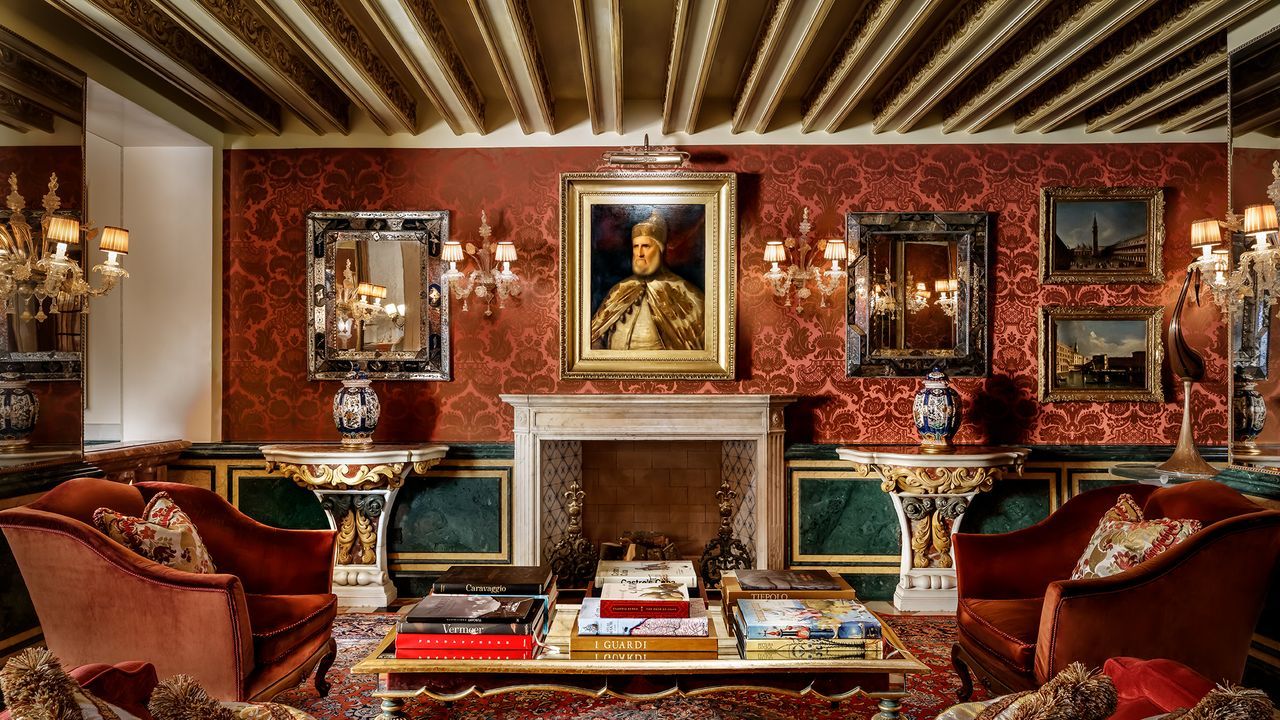
As the luxury hotel industry evolves, historical properties are embracing emerging trends that blend time-honored elegance with modern sensibilities. These trends reflect a growing desire among travelers to experience the richness of history while enjoying contemporary comforts. This harmonious fusion not only enhances guest experiences but also ensures the sustainability and relevance of historical hotels in today’s fast-paced world.
The intersection of technology and historical preservation is becoming increasingly significant. With advancements in digital tools, hotels can preserve their unique architectural elements while enhancing guest interactions. The integration of smart technologies not only elevates convenience but also respects and maintains the authenticity of historical sites, offering guests a rich narrative of the hotel’s past.
Emerging Trends in Historical Luxury Hotels
The future of historical luxury hotels is shaped by several key trends reflecting the changing preferences of travelers and the impact of technology on service delivery. These trends include:
- Experience over Materialism: Travelers are seeking immersive experiences that allow them to connect with the local culture and history of the destination. Historical luxury hotels are incorporating storytelling elements into their services, providing guests with unique narratives of the hotel’s past and its significance in the local context.
- Technology Integration: Smart technology is being introduced to enhance guest experiences. This includes mobile check-ins, digital concierge services, and interactive historical tours facilitated through augmented reality, allowing guests to explore the hotel’s history through a modern lens.
- Sustainability Practices: Historical hotels are increasingly prioritizing eco-friendly practices. This includes the restoration of original features using sustainable materials and energy-efficient systems, ensuring that preserving history does not come at the cost of the environment.
- Culinary Heritage Focus: Award-winning chefs are crafting menus that celebrate local ingredients and traditional recipes, reflecting the cultural significance of the hotel’s location. This focus on culinary heritage enhances the overall guest experience, providing a taste of local history.
- Personalized Services: Utilizing data analytics, hotels tailor services to individual guest preferences, creating bespoke experiences that resonate with the guest’s desires while highlighting the hotel’s historical attributes.
“The future of hospitality is rooted in the past, where luxury meets authenticity.”
These trends not only bolster the appeal of historical luxury hotels but also ensure their continued relevance in an increasingly competitive market. As guests seek deeper connections with their destinations, historical hotels are uniquely positioned to deliver unforgettable experiences steeped in history and culture.
Guest Experiences and Reviews
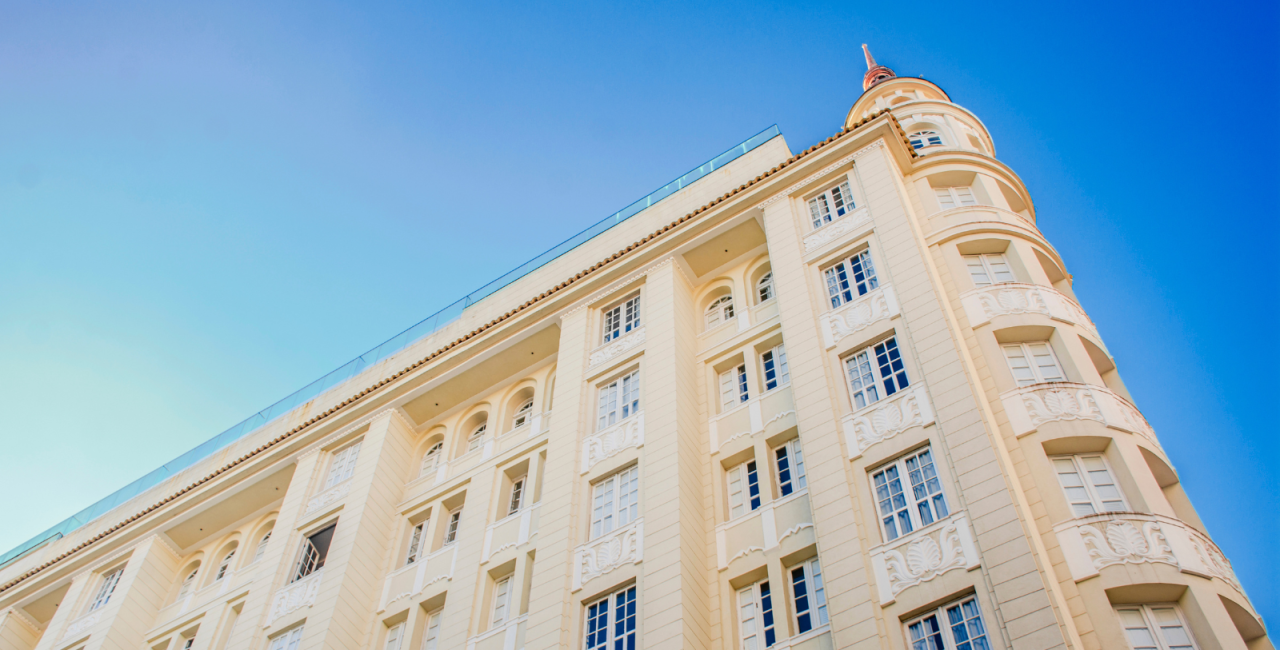
Staying in a historical luxury hotel is often more than just a night’s rest; it is an immersive experience that intertwines comfort with rich narratives of the past. Guests frequently express how their encounters in these iconic establishments have left lasting impressions, often shifting their perspectives on travel and hospitality. The allure of age-old architecture combined with modern amenities offers a unique charm that travelers cherish.
Guest feedback plays a critical role in shaping the operations of historical luxury hotels. These establishments rely heavily on reviews to enhance their services and maintain the delicate balance between preserving history and providing contemporary comfort. By attentively listening to their clientele, hotels can refine their offerings, ensuring that both hospitality and heritage are honored, thereby enriching the guest experience.
Guest Testimonials
Numerous guests have shared their experiences, showcasing the exquisiteness and charm of staying in a historical luxury hotel. Here are a few noteworthy testimonials:
“Staying at The Savoy was like stepping back in time, yet I felt every bit of modern comfort. The service was impeccable, and the history surrounding me was palpable.” – Emily R.
“The attention to detail at The Ritz in Paris made every moment special. It’s not just a hotel; it’s a narrative steeped in elegance.” – Mark T.
These testimonials highlight the exceptional nature of guest experiences in these hotels, illustrating how history and luxury coalesce.
Ratings and Reviews from Popular Travel Platforms
The opinions of travelers can often be quantified, providing insights into how well these historical luxury hotels are perceived. The following table summarizes ratings and reviews from popular travel platforms, reflecting guests’ overall satisfaction and experiences:
| Hotel Name | Platform | Rating (out of 5) | Review Summary |
|---|---|---|---|
| The Savoy, London | TripAdvisor | 4.8 | Exceptional service and stunning interiors. |
| The Ritz, Paris | Booking.com | 9.5 | Timeless luxury with a rich historical backdrop. |
| The Queen Mary, California | Expedia | 4.6 | A unique blend of maritime history and luxury. |
| Hotel del Coronado, California | Hotels.com | 4.7 | Beautiful location with a fascinating story. |
This data not only demonstrates guest satisfaction but also emphasizes the importance of guest feedback in guiding hotel management decisions and enhancing the overall experience. Historical luxury hotels continue to adapt and innovate based on the insights provided by their guests, ensuring that they remain as captivating as ever.
If you’re planning a romantic getaway, exploring top-rated luxury hotels perfect for romantic getaways can elevate your experience. These exquisite accommodations not only offer stunning views and opulent amenities but also intimate settings that foster love and connection. Indulging in a serene atmosphere with your partner can create unforgettable memories, making it the ideal choice for that special escape.
When planning a romantic getaway, choosing the right accommodation can make all the difference. Discover the charm and elegance of top-rated luxury hotels perfect for romantic getaways. These exquisite properties offer stunning views, exceptional service, and intimate settings, ensuring that you and your partner create unforgettable memories together. From serene beach resorts to lavish mountain retreats, there’s a perfect spot waiting for you.