Hotels situated close to famous tourist landmarks offer travelers a unique blend of convenience and adventure. These accommodations play a pivotal role in shaping the travel experience, allowing visitors to immerse themselves in the local culture while ensuring that iconic sites are just a stone’s throw away. The appeal of staying near famous attractions is evident in the preferences of tourists, who often seek the ease of access combined with the allure of exploring vibrant destinations.
From the bustling streets of Paris to the historic avenues of Rome, hotels near popular landmarks not only enhance the travel experience but also provide essential conveniences that save time and energy. The strategic positioning of these hotels not only caters to the needs of eager explorers but also reflects a growing trend among travelers prioritizing proximity to must-see sights, ensuring that each stay is as memorable as the attractions themselves.






Overview of Hotels Near Tourist Landmarks
Hotels located near famous tourist landmarks play a pivotal role in enhancing the travel experience for visitors. Their strategic placements not only provide convenience but also allow guests to immerse themselves in local culture and attractions effortlessly. As travelers seek to maximize their time at notable sites, the demand for well-situated accommodations has surged, leading to an evolution in hospitality offerings.
The significance of these hotels is underscored by their proximity to celebrated landmarks such as the Eiffel Tower in Paris, the Colosseum in Rome, and the Statue of Liberty in New York City. Each of these iconic sites attracts millions of visitors annually, making nearby accommodations not just beneficial but essential for those looking to visit multiple attractions in a short time. Staying close to these sites allows guests to save on travel time, facilitating spontaneous visits and extended exploration.
Trends in Tourist Preferences for Hotel Locations
When it comes to selecting accommodations, tourists exhibit specific preferences that reflect a desire for convenience, accessibility, and experience. The following patterns have emerged in recent years regarding hotel locations near tourist landmarks:
- Proximity to Attractions: Travelers overwhelmingly prefer hotels that are within walking distance of major tourist sites. This preference is evident in cities like Barcelona and London, where hotels that offer quick access to attractions remain highly sought after.
- Local Culture and Experience: Many visitors are inclined toward hotels that provide an authentic local experience. This includes accommodations that reflect the architecture, cuisine, and culture of the area, enriching their overall experience.
- Public Transportation Access: Hotels that offer easy access to public transit options are attractive to tourists. Locations near subway stations or bus routes enable guests to explore less touristy areas and discover hidden gems.
- Safety and Comfort: Security is paramount for travelers, especially families. Hotels situated in well-lit, busy areas that are popular with other tourists tend to be more appealing.
- Competitive Pricing: While proximity to landmarks is crucial, guests also seek value for money. Accommodations that balance location with affordability often see higher occupancy rates.
Travelers are increasingly using technology to find ideal hotel locations. Online platforms and applications provide real-time reviews and map features that help tourists pinpoint accommodations nearest to their desired attractions. This trend indicates a shift toward informed decision-making in travel planning.
“Accommodations near tourist landmarks are no longer just about a roof over one’s head; they are integral to the travel experience itself.”
As the travel industry continues to evolve, hotels near tourist landmarks will likely adapt to these changing preferences, focusing on enhancing guest experiences through technology, local integration, and personalized services.
Benefits of Staying Close to Tourist Attractions
Staying at hotels located near famous tourist landmarks offers numerous advantages that can significantly enhance a traveler’s experience. The convenience and accessibility provided by these accommodations allow guests to maximize their exploration and enjoyment of the destinations they visit.
Proximity to major attractions not only minimizes travel time but also allows for spontaneous adventures that may not have been planned. This can lead to a more enriching travel experience by giving guests the opportunity to immerse themselves more deeply in the local culture and sights. When hotels are situated just a short distance away from iconic landmarks, travelers can often enjoy a leisurely stroll rather than a lengthy commute.
Convenience Factors of Hotels Near Landmarks
Choosing a hotel close to tourist attractions offers essential conveniences that enhance overall travel satisfaction. One significant benefit is the ease of access to various points of interest, which can be a game-changer for visitors. The following points illustrate the convenience factor of staying near popular sites:
- Reduced Travel Time: Guests can spend more time enjoying attractions instead of commuting. For instance, staying near the Eiffel Tower allows travelers to visit it multiple times throughout the day, experiencing it from different perspectives.
- Increased Flexibility: With landmarks within walking distance, guests can easily adjust their itineraries based on energy levels or interests, allowing for a more relaxed travel experience.
- Enhanced Local Experience: Proximity to popular sites often means being closer to local dining options, shops, and entertainment, providing a richer understanding of the area’s culture.
Travelers can also save precious minutes that can be spent discovering unique local experiences rather than waiting in lines or navigating transportation. For example, visiting the historic Colosseum in Rome can often involve long lines, but a hotel nearby allows visitors to capitalize on early morning hours or evening visits when crowds are fewer, thus optimizing their time spent at the landmark.
Staying close to attractions can transform an ordinary trip into an unforgettable adventure by maximizing time spent exploring and minimizing time spent traveling.
Types of Hotels Near Famous Landmarks
Hotels situated near tourist landmarks come in various categories, each offering distinct experiences and amenities catering to different preferences and budgets. Understanding these categories allows travelers to choose accommodations that best fit their needs while enhancing their overall travel experience.
The three main types of hotels found near famous landmarks include luxury hotels, boutique hotels, and budget hotels. Each type has unique offerings that appeal to different demographics, from lavish amenities to personalized services and economical options. Below is an overview of these categories with examples and comparisons.
Luxury Hotels
Luxury hotels are synonymous with opulence and high-end services, often featuring world-class amenities. They typically provide a premium experience with extensive facilities such as fine dining, spas, and concierge services.
Some notable luxury hotels near famous landmarks include:
– The Ritz Paris: Located near the Louvre, this hotel is famed for its elegant rooms and luxurious amenities, including a Michelin-starred restaurant and a renowned spa.
– The St. Regis New York: Situated steps away from Central Park, it features exquisite rooms and personalized butler service.
– The Savoy, London: Overlooking the River Thames, this historic hotel is celebrated for its luxurious suites and exceptional dining options.
Boutique Hotels
Boutique hotels offer a unique and intimate atmosphere, often characterized by stylish decor and personalized service. These hotels tend to reflect the local culture and provide a more individualized experience than larger hotel chains.
Examples of boutique hotels near tourist attractions include:
– The NoMad Hotel, New York: This chic hotel is known for its modern design and proximity to the Empire State Building.
– The Hoxton, Paris: Located near the historic Le Marais district, it combines contemporary style with classic Parisian charm.
– The Greenwich Hotel, New York: Owned by Robert De Niro, it features a blend of luxury and comfort with a focus on local craftsmanship.
Budget Hotels
Budget hotels cater to travelers seeking affordable accommodations without sacrificing essential comforts. Many budget hotels offer basic amenities while being conveniently located near key attractions.
Noteworthy budget hotels near famous landmarks include:
– Hotel 31, New York: Offering clean and simple rooms, it’s located near popular sites like the Empire State Building and provides easy access to public transport.
– Ibis Styles, Paris: This budget chain offers comfort and convenience near attractions like the Sacré-Cœur.
– The Travelodge, London: With multiple locations, this budget-friendly option is close to various iconic sites, providing essential amenities at affordable rates.
A Comparison of Amenities
The amenities offered at these hotels greatly vary depending on their category. The following comparison chart details the typical amenities available at luxury, boutique, and budget hotels:
| Hotel Type | Room Service | On-Site Restaurant | Spa Services | Free Wi-Fi | Concierge Services |
|---|---|---|---|---|---|
| Luxury | Yes | Fine Dining | Yes | Yes | Yes |
| Boutique | Limited | Yes | Sometimes | Yes | Yes |
| Budget | No | Basic Dining | No | Yes | No |
“Choosing the right hotel type near a landmark can significantly enhance your travel experience.”
Popular Hotels by Region
Finding the perfect hotel close to iconic tourist landmarks can enhance your travel experience, allowing you to immerse yourself in the local culture and attractions. This guide highlights top-rated hotels situated near famous landmarks across major cities worldwide, showcasing their unique features and services to help travelers make informed decisions.
When selecting a hotel location, proximity to key attractions can significantly diminish travel time and maximize sightseeing opportunities. Below, we examine some of the most popular hotels categorized by region, detailing their amenities, dining options, and stunning views that elevate the guest experience.
Top Hotels Near Iconic Landmarks
This section Artikels an array of highly-rated hotels conveniently located near renowned landmarks, ensuring guests have easy access to the sites they wish to explore.
- The Ritz Paris – Located steps from the Louvre Museum, this luxurious hotel offers exquisite dining options, including the famous Michelin-starred restaurant, L’Espadon. Guests can indulge in the opulent spa and enjoy stunning views of the Tuileries Garden.
- Hotel Danieli, Venice – Overlooking the Grand Canal, this historic hotel features opulent décor and fine dining at the Terrazza Danieli. Its proximity to St. Mark’s Basilica makes it a prime choice for tourists looking to experience the romance of Venice.
- The Savoy, London – Situated along the River Thames, The Savoy is an iconic hotel that boasts exceptional service and elegant dining options, including the renowned Kaspar’s seafood restaurant. Its close proximity to the London Eye and Covent Garden adds to its allure.
- Hotel Adlon Kempinski, Berlin – Positioned adjacent to the Brandenburg Gate, this hotel is known for its luxurious rooms and Michelin-star dining. The historic significance of its location enriches the guest experience, allowing visitors to delve into Berlin’s history.
- The Langham, Chicago – Located near the Magnificent Mile, The Langham offers stunning views of the Chicago River and upscale dining at the Travelle Kitchen + Bar. Its central location provides easy access to Millennium Park and the Art Institute of Chicago.
Comparative Overview of Rates and Proximity
To assist travelers in choosing the right hotel according to their budget and desired proximity to attractions, the following table compares hotel rates along with their distance to notable landmarks.
| Hotel Name | Rate per Night (USD) | Distance to Landmark (Miles) | Nearby Attractions |
|---|---|---|---|
| The Ritz Paris | 800 | 0.5 | Louvre, Tuileries Garden |
| Hotel Danieli, Venice | 700 | 0.3 | St. Mark’s Basilica, Grand Canal |
| The Savoy, London | 600 | 0.6 | London Eye, Covent Garden |
| Hotel Adlon Kempinski, Berlin | 500 | 0.1 | Brandenburg Gate, Unter den Linden |
| The Langham, Chicago | 400 | 0.4 | Millennium Park, Art Institute |
“Staying close to iconic landmarks not only saves time but immerses guests in the rich cultural tapestry of the city.”
Customer Reviews and Experiences
Travelers often share their experiences and insights regarding their stays in hotels near famous landmarks, providing a treasure trove of information for future guests. These testimonials can significantly influence the decision-making process for potential visitors, offering a glimpse into the actual comfort, service quality, and locale advantages that these hotels provide. By analyzing a range of customer feedback, one can better understand what to expect when choosing accommodation close to iconic sites.
An essential aspect of understanding customer experiences revolves around identifying common themes that frequently emerge in reviews. Travelers typically highlight the quality of service, overall comfort, and strategic location as key factors in their evaluations. The proximity to landmarks not only enhances convenience but often contributes to a more enriching travel experience.
Common Themes in Reviews
When examining customer testimonials, several recurring themes stand out. These patterns provide valuable insights into the traveler’s perspective, helping future guests make informed choices.
- Comfort: Many reviews emphasize the comfort of beds and amenities offered, which plays a crucial role in ensuring a restful stay. Guests often mention the quality of linens and the effectiveness of climate control systems.
- Service Quality: Customer service is frequently highlighted, with reviews praising staff for their friendliness, responsiveness, and willingness to assist with inquiries. Positive interactions often lead to higher satisfaction levels.
- Location Advantages: The convenience of being situated close to major attractions is a common topic. Travelers appreciate being within walking distance to landmarks, which allows for a more leisurely and enjoyable itinerary.
- Cleanliness: Cleanliness remains a paramount concern, with reviews often noting the state of the rooms and common areas. High ratings in this area can significantly boost a hotel’s reputation.
- Value for Money: Guests routinely comment on their perceived value based on the price paid for the experience. Those who feel they received excellent service and amenities often express satisfaction with their overall expenditure.
Gathering authentic customer testimonials can be achieved through various methods. Hotels often encourage guests to leave feedback on popular travel websites, social media platforms, or directly through their own channels. Here are some effective strategies to collect genuine reviews:
- Post-Stay Surveys: Many hotels send follow-up emails after a guest’s stay, inviting them to share their experiences through a structured survey.
- Incentives for Reviews: Offering discounts or rewards for submitting reviews can encourage guests to share their thoughts, fostering a culture of feedback.
- Social Media Engagement: Actively engaging with guests on social media platforms invites spontaneous testimonials and enhances community building.
- Review Platforms: Utilizing trusted review sites allows hotels to reach a broader audience, where genuine reviews can help build credibility.
By focusing on these themes and collection methods, hotels can not only enhance their understanding of guest satisfaction but also actively improve their services and offerings based on real-life feedback.
Planning Your Stay: Hotels Situated Close To Famous Tourist Landmarks

When it comes to planning your stay near famous tourist landmarks, selecting the right hotel can significantly enhance your experience. Proximity to attractions not only saves time but also allows for greater exploration of these iconic sites. The process involves understanding your personal preferences, considering the location of landmarks, and utilizing effective booking strategies.
Choosing the best hotel requires a balance between your personal needs and the attractions you wish to visit. Take into account factors such as budget, amenities, and the atmosphere you desire. This guide Artikels essential steps for securing the perfect accommodation close to tourist hotspots.
Steps for Booking Hotels Efficiently Near Tourist Attractions
To ensure a smooth booking process, follow these practical steps that focus on efficiency and convenience:
1. Define Your Priorities: Identify the landmarks you want to visit and prioritize them based on your itinerary. Consider which sites are must-sees and how much time you plan to spend at each.
2. Research Neighborhoods: Familiarize yourself with the neighborhoods surrounding your chosen landmarks. Look for safe areas with good transport links, dining options, and other conveniences to enhance your stay.
3. Set a Budget: Determine your accommodation budget, keeping in mind that prices can vary significantly based on location and amenities. It’s often beneficial to compare rates across different platforms.
4. Use Trusted Booking Platforms: Utilize reputable hotel booking websites or apps, which often provide user reviews, ratings, and detailed descriptions of hotels. This can help filter out options that don’t meet your expectations.
5. Check Cancellation Policies: Before finalizing your booking, carefully read the cancellation and refund policies. This is crucial in case plans change unexpectedly.
Checklist for Travelers to Consider When Choosing Accommodations
A well-structured checklist can streamline your decision-making process when selecting accommodations near tourist landmarks. Here are important factors to consider:
– Location: Proximity to attractions and public transport options.
– Price Range: Ensure the chosen hotel fits within your budget constraints.
– Amenities: Consider what features are essential (Wi-Fi, breakfast, parking, etc.).
– Reviews and Ratings: Look for feedback from previous guests to gauge the quality of the hotel.
– Accessibility: Evaluate the accessibility for any special needs or mobility concerns.
– Safety: Research the safety of the area and hotel before booking.
– Room Type: Decide if you prefer a standard room, suite, or something unique (like a boutique hotel).
– Cancellation Policy: Make sure you are comfortable with the hotel’s cancellation terms.
By considering these aspects, travelers can ensure a more enjoyable and hassle-free stay, enhancing their experience as they explore iconic landmarks.
Impacts on Local Economy
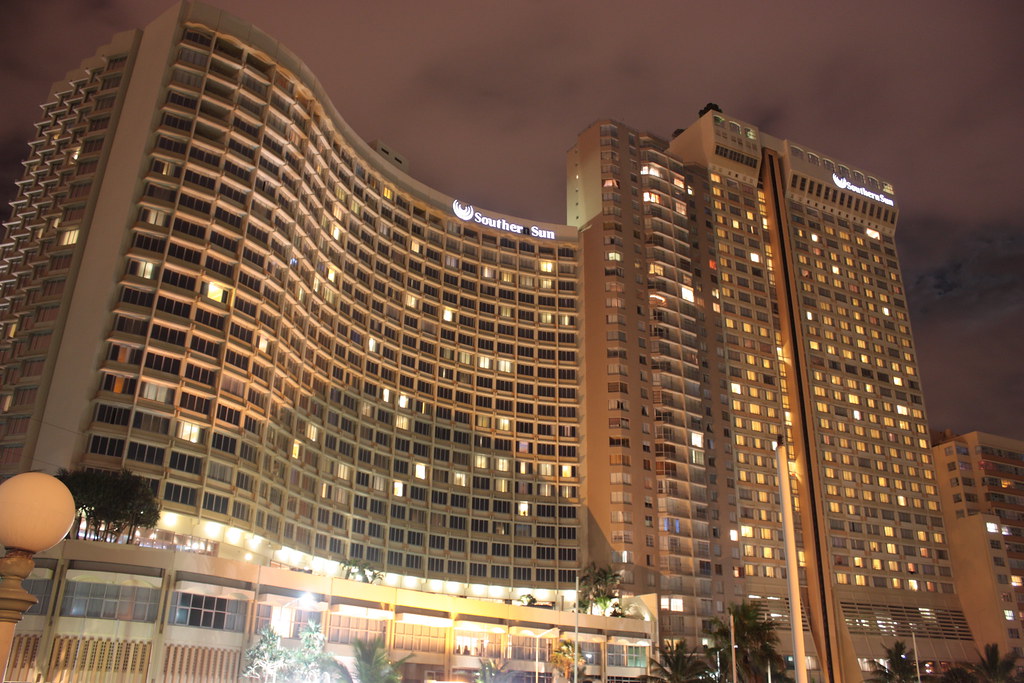
Hotels situated near famous tourist landmarks play a pivotal role in invigorating the local economy. By attracting visitors who contribute to various economic activities, these establishments serve as a catalyst for growth and development in the surrounding areas. The influx of tourists facilitates job creation, enhances local business revenues, and promotes cultural exchange, ultimately leading to a more vibrant community.
The relationship between tourism and hotel revenue is particularly strong in popular destinations. According to industry reports, regions that are frequented by tourists often experience a significant increase in hotel occupancy rates, which directly translates to higher revenue for local businesses. This cycle of spending not only benefits the hotels but also encourages other sectors such as restaurants, shops, and attractions to thrive. As tourists explore local offerings, their spending supports the entire ecosystem of services that cater to their needs.
Economic Contributions of Hotels
The economic contributions of hotels near tourist landmarks extend beyond immediate revenue. Here are several ways in which these hotels impact the local economy:
- Job Creation: Hotels require a workforce for various roles, from management to housekeeping, which provides employment opportunities for local residents.
- Boosting Local Businesses: Increased tourist footfall leads to higher demand for goods and services, benefitting local shops, restaurants, and attractions.
- Tax Revenue: Hotels contribute to local taxes, which can be reinvested into community infrastructure, public services, and development projects.
- Investment in Community Projects: Many hotels engage in corporate social responsibility initiatives that support local charities, environmental conservation, and community development.
Sustainable tourism practices have gained importance in hotel operations as the industry recognizes its impact on the environment and local communities. By adopting eco-friendly measures, hotels not only enhance their appeal to environmentally conscious travelers but also contribute to the long-term sustainability of the destinations they inhabit. This includes initiatives such as minimizing waste, conserving water, and sourcing food locally, which help reduce the carbon footprint while simultaneously supporting local economies.
Incorporating sustainable practices is vital for maintaining the balance between tourism growth and environmental preservation.
The synergy created by hotels and tourism is essential for fostering a resilient economy that can adapt to changing visitor trends while ensuring the wellbeing of local communities. By focusing on responsible and sustainable practices, hotels can play a transformative role that benefits both guests and the economy alike.
Future Trends in Hotel Locations
As the landscape of travel continues to evolve, so too does the placement and functionality of hotels. With changing tourist behaviors, particularly in the wake of global events and advancements in technology, the future of hotel locations is becoming increasingly dynamic. Understanding these trends can greatly enhance the experience of travelers while supporting the growth of local economies.
The integration of technology in the travel industry is reshaping how tourists choose their accommodations and where these hotels are situated. As travelers become more reliant on mobile devices and digital platforms, the visibility of a hotel’s location is paramount. Many hotels are investing in advanced algorithms and AI to better position themselves in search results based on user preferences and behaviors. These advancements not only facilitate easier booking processes but also lead to smarter hotel placements in areas that are projected to attract increased tourist traffic.
Impact of Evolving Tourist Behaviors
Tourist behaviors are shifting toward a more experience-driven approach, prompting hotels to reconsider their locations. Factors influencing this trend include:
- Local Experiences: Travelers are increasingly seeking authentic local experiences, leading hotels to establish themselves in cultural neighborhoods rather than just near major attractions.
- Sustainable Travel: As sustainability becomes a priority, hotels are positioning themselves in eco-friendly areas, often developing partnerships with local businesses that promote responsible tourism.
- Remote Work Trends: The rise of remote work has led to a demand for longer stays, prompting hotels to adapt locations that cater to both leisure and business travelers.
Technological Advancements in Location Visibility
Technology plays a critical role in enhancing hotel visibility and accessibility. Key advancements include:
- Smart Booking Platforms: Emerging technologies enable dynamic pricing models and personalized recommendations based on user data, making it easier for travelers to find hotels that meet their specific needs.
- Virtual Reality Tours: Hotels are increasingly offering VR experiences that allow potential guests to explore facilities and surroundings virtually, influencing their decision-making process.
- Geolocation Services: Integrating geolocation services in mobile apps helps travelers discover nearby hotels and attractions, making it essential for hotels to maintain an online presence that highlights their proximity to popular sites.
Innovative Concepts for Hotels Near Cultural and Historical Sites, Hotels situated close to famous tourist landmarks
To attract visitors to cultural and historical sites, hotels are adopting unique concepts that enhance the travel experience. Examples of innovative hotel designs include:
- Themed Accommodations: Some hotels are designed to reflect the local culture or history, offering rooms decorated with local art and providing guests with an immersive experience.
- Pop-Up Hotels: Temporary hotels set up in unique locations, such as historical sites or festivals, allow travelers to experience these attractions more intimately.
- Collaborative Spaces: Hotels are creating public spaces that encourage interaction among guests and locals, such as art galleries or co-working areas, promoting a stronger connection to the community.
When planning a family vacation, choosing all-inclusive hotels with activities for everyone can be a game-changer. These resorts offer a wide range of amenities and entertainment options, ensuring that travelers of all ages find something enjoyable to do. From water sports and kids’ clubs to relaxing spa treatments and gourmet dining, these hotels cater to diverse interests, making your getaway both fun and stress-free.
When planning a family vacation, choosing all-inclusive hotels with activities for everyone can make all the difference. These resorts offer a variety of entertainment options, ensuring that both adults and children stay engaged and happy throughout their stay. From water sports to kids’ clubs, these hotels provide a delightful experience for guests of all ages, making them the perfect getaway for families looking to bond and relax together.