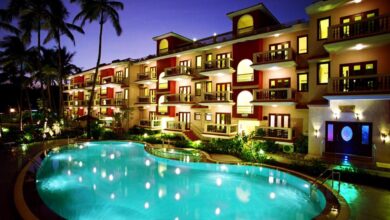
Luxury hotels with extraordinary architectural designs sets the stage for this enthralling narrative, offering readers a glimpse into a world where creativity meets opulence. These hotels don’t just provide a place to stay; they serve as masterpieces of architectural innovation, showcasing unique elements that reflect the culture and environment of their locations. From sustainable practices to advanced technology, the designs of these hotels often redefine luxury and set new standards in the hospitality industry.
As we explore the captivating features that distinguish these hotels, we will uncover the striking influences of local culture, the integration of eco-friendly practices, and the groundbreaking technological advancements that shape their architecture. With examples of iconic hotels and insights into the minds of the architects behind them, this journey will illuminate the layers of thought and artistry that go into creating these extraordinary spaces.





Unique Architectural Elements of Luxury Hotels
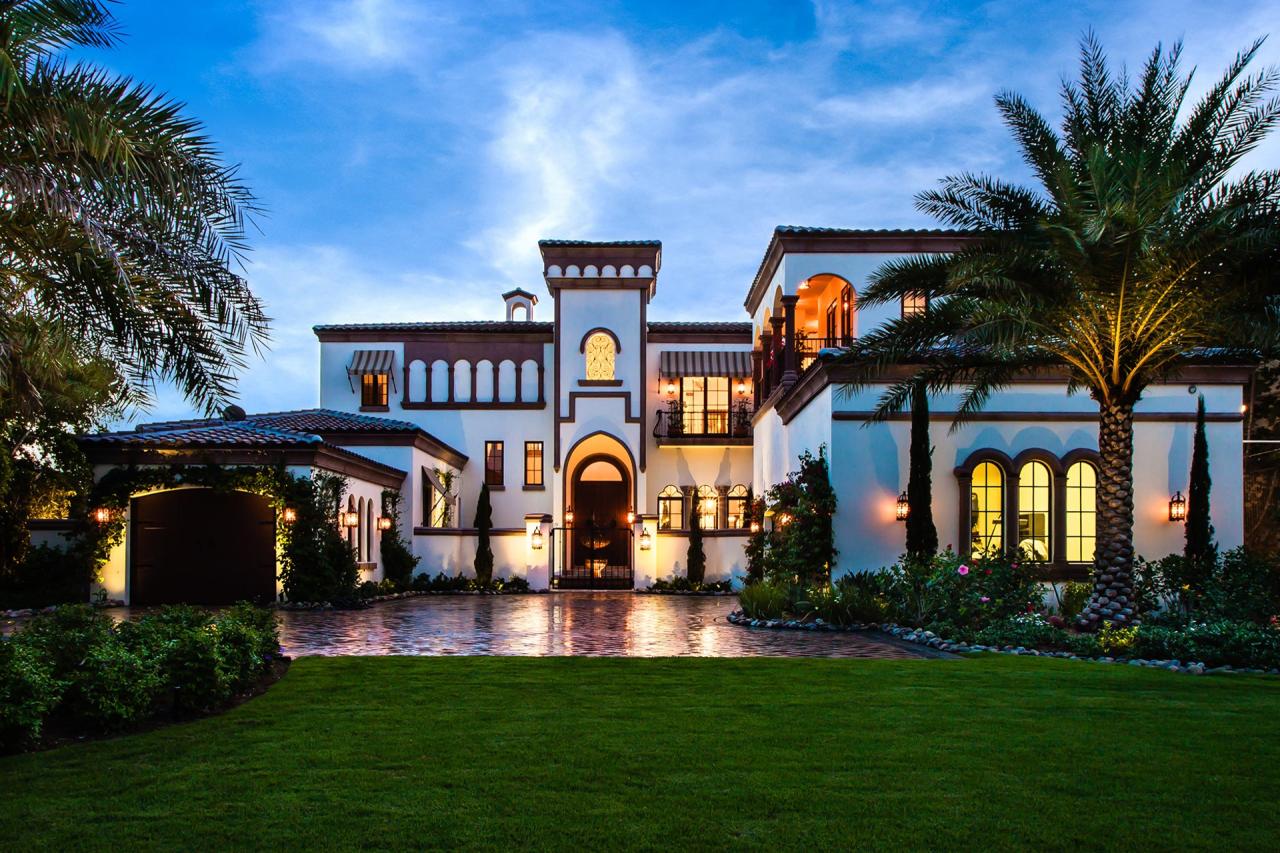
Luxury hotels are not merely places to stay; they are masterpieces of design that reflect the unique blend of comfort, elegance, and innovation. The architectural elements that characterize these establishments are often what sets them apart in a highly competitive market. From expansive atriums to the intricate details of a lobby, every aspect is meticulously crafted to create a unique guest experience that transcends the ordinary.
The architectural design of luxury hotels often draws heavily from the local culture and environment, which influences not only aesthetics but also functionality. This connection to local heritage can be seen in the materials used, the layout of the structures, and the integration of historical elements, allowing the hotels to resonate with their surroundings. By reflecting the culture and history of their locale, luxury hotels offer a more immersive experience, making each stay memorable.
Defining Features of Luxury Hotels
Several architectural features are commonly found in luxury hotels that contribute to their distinctive allure. These elements not only enhance the visual appeal but also improve the overall guest experience.
- Grand Entrances: The entryway of a luxury hotel is typically designed to awe guests, often featuring high ceilings, expansive spaces, and bold design elements that set the tone for the stay.
- Unique Facades: Many luxury hotels boast striking facades that incorporate innovative materials like glass, stone, and steel, reflecting modern design trends while paying homage to local architectural styles.
- Open Spaces: Luxurious hotels commonly include expansive lobbies and common areas, designed to promote a sense of community and relaxation, often featuring natural light and elegant furnishings.
- Infinity Pools and Rooftop Terraces: Stunning infinity pools and rooftop terraces provide breathtaking views and offer guests a luxurious space to unwind, often designed to blend seamlessly with the hotel’s architecture.
- Art Installations: Many luxury hotels incorporate artworks into their design, with sculptures and installations that reflect local culture, enhancing the overall aesthetic and experience.
Influence of Local Culture on Architectural Design
The design of luxury hotels is increasingly influenced by the cultural and historical context of their location. This approach not only enriches the architecture but also enhances the guest experience by providing deeper connections to the locale.
For instance, hotels in tropical environments often take advantage of local materials such as bamboo or coral stone, offering both sustainability and beauty. Additionally, the layout of these hotels is often designed to promote airflow and natural cooling, reflecting traditional local building practices.
Examples of Iconic Hotels with Extraordinary Architectural Designs
Several luxury hotels stand out due to their remarkable architectural features, showcasing the fusion of innovative design and cultural elements. Here are a few notable examples:
- Burj Al Arab, Dubai: This iconic hotel is designed to resemble a sail and is an emblem of luxury. Its stunning façade is complemented by lavish interiors featuring gold leaf and Italian marble.
- The Silo Hotel, Cape Town: Converted from a grain elevator, this hotel retains its historic character while incorporating modern design elements like a rooftop pool that offers panoramic views of the city.
- Hotel Fauchon, Paris: This luxurious hotel reflects the vibrant Parisian culture through its bold colors and modern design while paying homage to the historical essence of its surroundings.
- Alila Villas Uluwatu, Bali: Nestled on a cliff, this hotel features a contemporary design that harmonizes with the natural landscape, utilizing local stone and wood to create an organic feel.
- Marques de Riscal, Spain: Designed by Frank Gehry, this hotel is known for its innovative use of titanium and unique curves, reflecting the surrounding vineyards and creating a striking visual impact.
Sustainable Architecture in Luxury Hotels
The integration of sustainability into luxury hotel architecture is becoming a defining characteristic of the hospitality industry. As travelers increasingly seek eco-conscious experiences, luxury hotels are rising to the challenge by incorporating sustainable practices into their design and operation. This not only enhances the guest experience but also contributes positively to the environment and local communities.
Sustainability plays a crucial role in the architectural design of luxury hotels by prioritizing eco-friendliness and energy efficiency throughout the construction process and operational lifespan. The use of sustainable materials, energy-efficient systems, and innovative designs minimizes the ecological footprint of these establishments while maintaining their luxurious appeal. Moreover, architects and developers are increasingly focused on creating buildings that harmonize with their surroundings, promoting environmental stewardship and sustainable tourism.
Innovative Materials in Eco-Friendly Luxury Hotels
The use of innovative materials is essential in constructing eco-friendly luxury hotels. These materials not only reduce environmental impact but also enhance the aesthetic and functional qualities of the buildings. Some notable examples include:
- Recycled Materials: Many luxury hotels are utilizing recycled steel, glass, and wood to minimize waste and lower the carbon footprint associated with new materials. For instance, the Hotel Verde in Cape Town features recycled materials prominently in its construction.
- Green Insulation: Insulation made from sustainable resources, such as sheep’s wool or cellulose, helps maintain temperature control, thereby reducing energy consumption for heating and cooling. Hotels like the Treehotel in Sweden use natural insulation materials to enhance their eco-friendly profiles.
- Low-Impact Concrete: Eco-friendly concrete alternatives, including those made from industrial by-products like fly ash, significantly reduce emissions. An example can be seen in the construction of the Marina Bay Sands in Singapore, which utilizes such innovations to achieve sustainability goals.
- Bamboo and Other Fast-Growing Materials: Bamboo, known for its rapid growth and strength, is being used in various luxury hotel designs, such as the Six Senses Ninh Van Bay in Vietnam, which employs this material to create stunning, sustainable structures.
Examples of Luxury Hotels Integrating Sustainable Practices
Several luxury hotels around the world stand as exemplars of sustainable architecture, integrating eco-friendly practices effectively into their designs. These establishments not only focus on luxury but also prioritize ecological responsibility.
- Alila Villas Uluwatu, Bali: This hotel boasts a design that utilizes local materials and natural landscaping, enhancing its connection to the environment. Its cliffside location maximizes natural ventilation and minimizes energy use.
- The Brando, French Polynesia: This eco-resort operates entirely on renewable energy, harnessing solar power and coconut oil. Its design reflects Polynesian culture while implementing sustainable practices throughout its operations.
- Banyan Tree Vabbinfaru, Maldives: This luxury hotel employs sustainable practices such as coral reef restoration and waste management systems. Its architecture is designed to blend seamlessly with the natural surroundings, emphasizing environmental preservation.
- Hotel Terra, Jackson Hole, Wyoming: With a commitment to energy efficiency and sustainable materials, this hotel showcases green building strategies that include solar panels and a green roof, offering luxury while being eco-conscious.
The Role of Technology in Modern Luxury Hotel Design
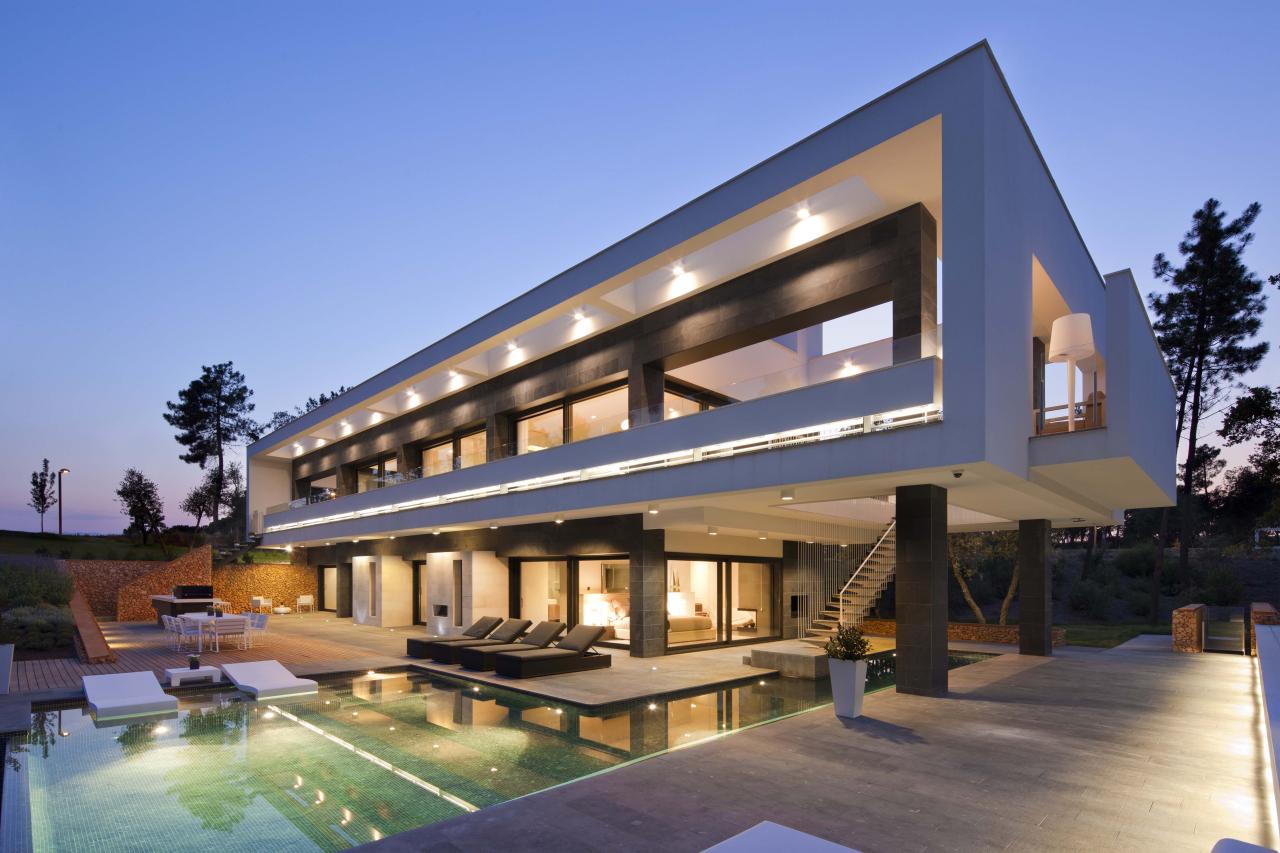
Technological advancements have dramatically reshaped the landscape of luxury hotel architecture, merging aesthetics with cutting-edge functionality. Today, luxury hotels are not merely places to stay; they are immersive experiences driven by innovation and efficiency. As architects and designers explore new frontiers, technology emerges not just as an enhancement but as a cornerstone of modern luxury.
The integration of smart technology into hotel design is facilitating unprecedented levels of personalization and convenience for guests. From automated systems that control lighting and temperature to advanced security measures, technology is redefining the expectations of luxury accommodations. Many properties are now equipped with artificial intelligence that anticipates guest needs, refining the level of service provided.
Examples of Luxury Hotels Incorporating Smart Technology
Numerous luxury hotels around the world exemplify the successful integration of smart technology into their architectural designs. The following examples showcase the innovative applications of technology in elevating guest experiences:
- The Room Mate Aitana Hotel, Amsterdam: This hotel features high-tech keyless entry systems, allowing guests to use their smartphones to unlock their rooms. Additionally, rooms are equipped with smart lighting systems that can be adjusted to suit individual moods.
- The K5 Hotel, Tokyo: This hotel combines a minimalist design with advanced technology, including automatic window shades and voice-activated room controls that enhance guest comfort and convenience.
- The Silo Hotel, Cape Town: Located in a converted grain silo, this hotel integrates smart technology to offer personalized room settings, all controlled through an intuitive app, emphasizing a seamless blend of heritage and modernity.
- The Burj Al Arab, Dubai: As a symbol of luxury, this hotel utilizes advanced robotics for room service and has integrated high-definition surround sound systems throughout the property, enriching the overall guest experience.
The balance between luxury and technological functionalities is crucial in modern hotel architecture. While the allure of cutting-edge technology is undeniable, it must complement the luxurious ambiance and aesthetic appeal that guests expect. An overemphasis on technology can detract from the warmth and personal touches that define luxury hospitality. Therefore, successful luxury hotel design harmonizes innovative technologies with exquisite design elements to create an inviting atmosphere where guests feel both pampered and at ease.
“The true luxury of a hotel lies not just in its opulence, but in how seamlessly technology enhances the guest experience.”
Historical Influences on Contemporary Luxury Hotel Architecture
The evolution of luxury hotel architecture has been significantly shaped by historical design styles and movements. As we explore the rich tapestry of influences that have contributed to the contemporary luxury hotel scene, it is essential to recognize the architectural legacies that inform modern aesthetics and functionality. From grand palaces of the past to today’s cutting-edge designs, the dialogue between history and contemporary innovation continues to thrive.
Historical architectural styles provide critical inspiration for modern luxury hotels, enriching their design and atmosphere. Key styles, such as Neoclassicism, Art Deco, and Modernism, not only reflect the cultural values of their respective eras but also influence current trends in hotel architecture. Each style contributes unique elements that are reinterpreted in today’s designs, creating a harmonious blend of old and new.
Influential Historical Architectural Styles, Luxury hotels with extraordinary architectural designs
Several architectural styles have left an indelible mark on the design of luxury hotels. The following are notable examples highlighting these influences:
- Neoclassicism: Inspired by ancient Greek and Roman architecture, Neoclassical designs emphasize symmetry, grandeur, and the use of columns. This style can be seen in iconic hotels like The Ritz Paris, where opulent facades and elegant interiors evoke a sense of timeless luxury.
- Art Deco: Emerging in the 1920s, Art Deco is characterized by bold geometric patterns, rich colors, and luxurious materials. The iconic Delano Hotel in Miami Beach showcases this style with its glamorous details and vibrant atmosphere, merging historical elegance with modern flair.
- Modernism: This style, which gained prominence in the mid-20th century, focuses on minimalism and functionality. The sleek lines and open spaces of contemporary hotels, such as the Conrad New York Downtown, reflect the modernist ethos of simplicity and efficiency while maintaining a luxurious appeal.
Comparison of Historical and Contemporary Designs
The architectural designs of historical luxury hotels often feature elaborate ornamentation and intricate detailing, standing in stark contrast to the streamlined aesthetics prevalent in contemporary designs. Historical hotels like The Savoy in London evoke a sense of grandeur with their lavish ballrooms and ornate moldings, while modern luxury hotels prioritize open spaces and natural light, showcasing contemporary materials and sustainable practices.
This evolution also reflects changing consumer preferences, where the desire for personalization and unique experiences drives modern design. Hotel brands now incorporate local cultural influences and sustainable architecture into their designs, creating spaces that resonate with guests on a deeper level compared to traditional hotels that focused primarily on opulence.
Timeline of Notable Luxury Hotels and Architectural Evolution
Understanding the architectural evolution of luxury hotels can be framed through a timeline that highlights pivotal developments in design and construction. This timeline illustrates how historical influences have shaped the luxury hotel landscape over the years:
| Year | Hotel | Architectural Style | Significance |
|---|---|---|---|
| 1889 | The Ritz Paris | Neoclassicism | Defined luxury hospitality with its grand interiors and historic charm. |
| 1926 | The Savoy, London | Edwardian | Introduced modern conveniences and Art Deco elements into the luxury hotel experience. |
| 1947 | The Delano, Miami Beach | Art Deco | Revitalized the Art Deco movement in hospitality with its iconic style. |
| 2005 | Conrad New York Downtown | Modernism | Showcased sustainable design and modern luxury with innovative architectural solutions. |
Regional Variations in Luxury Hotel Architecture: Luxury Hotels With Extraordinary Architectural Designs
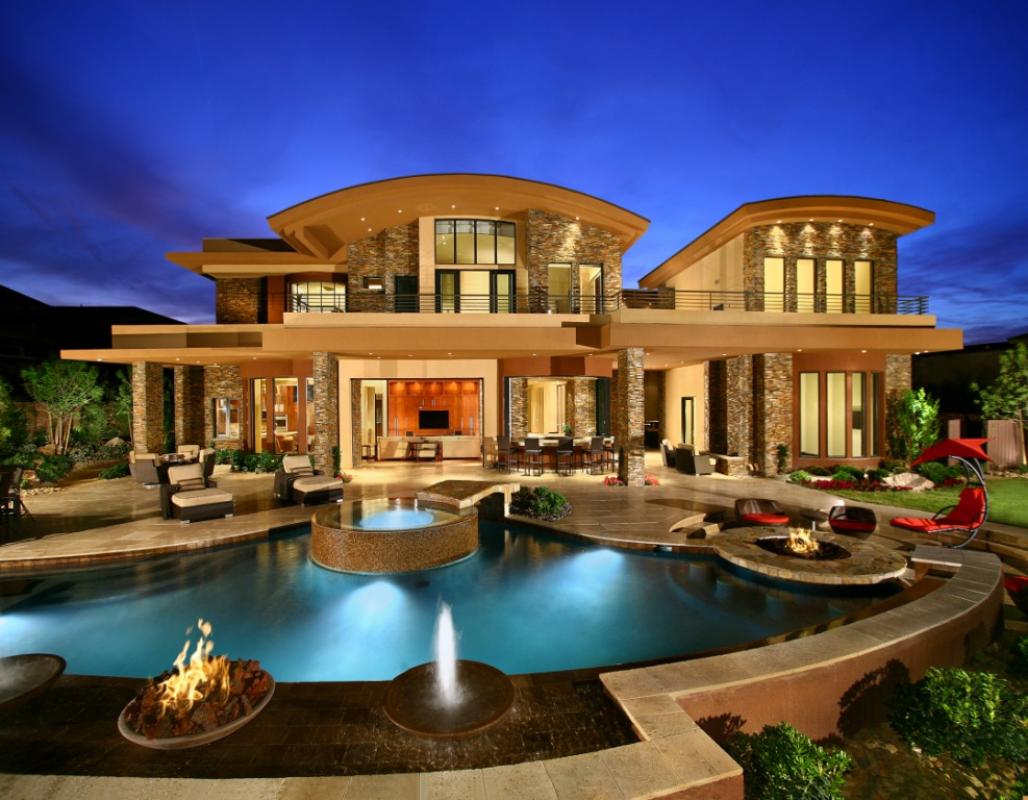
The architectural design of luxury hotels is profoundly influenced by their geographical location, reflecting the cultural, climatic, and historical contexts of their surroundings. This variation in design not only enhances the aesthetic value of the hotels but also creates a unique experience for guests that resonates with the local environment. From the sleek lines of modern skyscrapers in urban settings to the traditional stone structures found in rural landscapes, each hotel tells a story that is deeply rooted in its geographical context.
Regional influences shape the materials used, the overall structure, and even the interior decor of luxury hotels. For instance, coastal properties often feature expansive glass facades to maximize views of the ocean, while those in mountainous regions use local stone and wood to blend seamlessly with their natural surroundings. Below are examples of luxury hotels from diverse regions, showcasing the unique architectural styles that define them.
Examples of Luxury Hotels by Region
In different parts of the world, hotels exhibit distinct architectural characteristics that reflect their locale. Here are a few notable examples:
- Hotel Amanpuri, Thailand: This luxury hotel is designed in the style of traditional Thai architecture, featuring thatched roofs and wooden structures, nestled among palm trees along the Andaman Sea.
- Burj Al Arab, UAE: An iconic symbol of luxury, this hotel boasts a sail-shaped silhouette, constructed with cutting-edge technology and opulent interiors, standing proudly on its artificial island.
- Ritz Paris, France: Embodying classical French architecture, this hotel is renowned for its Haussmann-style facade and luxurious interiors that reflect the grandeur of Parisian history.
- Fogo Island Inn, Canada: Situated on a remote island, this hotel incorporates local materials and ecological design principles, aiming to harmonize with the rugged landscape while providing modern luxury.
Comparative Analysis of Architectural Elements
Understanding the architectural elements across various cultures provides insights into the diverse aesthetics and functional approaches of luxury hotels. The following table illustrates the differences and similarities in design elements based on regional influences.
| Region | Architectural Style | Materials | Elements |
|---|---|---|---|
| Asia | Traditional and Modern Fusion | Bamboo, Teak, Glass | Open-Air Spaces, Water Features |
| Middle East | Contemporary with Cultural References | Marble, Steel, Glass | Intricate Patterns, High Ceilings |
| Europe | Classical and Eclectic | Stone, Brick, Wood | Ornate Details, Grand Entrances |
| North America | Modern and Sustainable | Wood, Concrete, Recycled Materials | Green Roofs, Natural Lighting |
The architectural diversity found in luxury hotels worldwide not only enriches the travel experience but also showcases the creativity and ingenuity that comes from adapting to local environments and cultures. Each hotel stands as a testament to the region it inhabits, offering unparalleled experiences that reflect the essence of their surroundings.
Iconic Architects Behind Luxury Hotel Designs
The architectural landscape of luxury hotels is often shaped by the vision and creativity of iconic architects who push the boundaries of design and innovation. These architects have not only created stunning structures but have also influenced the way we perceive luxury through their unique philosophies and sustainable practices. Their works are characterized by a harmonious blend of functionality, aesthetics, and cultural significance, making them stand out in the competitive hospitality industry.
Renowned architects specializing in luxury hotel designs have demonstrated their distinctive styles through various landmark projects. Their ability to integrate local culture, cutting-edge technology, and sustainability into their designs creates a unique guest experience that resonates with the essence of the destination. Below are some prominent architects known for their exceptional work in luxury hotel architecture, along with notable projects that highlight their design philosophies.
Renowned Architects and Their Works
Several architects have left an indelible mark on luxury hotel architecture. Below is a brief overview of some of these esteemed architects, along with selected projects that exemplify their design ethos.
- Frank Gehry
“Architecture should speak of its time and place, but yearn for timelessness.”
Gehry’s unique deconstructivist style is evident in the stunning Hotel Marques de Riscal in Spain. Features like the flowing, metal-clad forms and dynamic shapes reflect the surrounding vineyards while emphasizing a modern aesthetic.
- Jean Nouvel
“The architect must be a great storyteller.”
Known for blending architecture with landscape, Nouvel designed the iconic Qatar National Museum. The structure’s unique geometric shapes and use of light create an immersive experience that narrates local history and culture.
- Zaha Hadid
“There are 360 degrees, so why stick to one?”
Hadid’s innovative approach is showcased in the futuristic Hotel Vitra in Germany. The fluid lines and organic forms create a seamless transition between indoor and outdoor spaces, exemplifying her philosophy of continuous movement.
- Norman Foster
“Sustainability is not just about being green; it is about quality of life.”
The Hotel Puerta America in Madrid was a collaborative effort among different designers with Foster’s touch in the building’s eco-friendly design and timeless elegance, enhancing guest comfort while minimizing environmental impact.
- Richard Meier
“Light is the key to architecture.”
The Hotel Sea View in Israel, designed by Meier, emphasizes natural light with its large glass façades and open spaces, creating an airy environment that enhances the luxurious experience for guests.
Each of these architects has contributed to the evolution of luxury hotel design, bringing their unique visions to life through their monumental projects. Their ability to blend innovation with a respect for the environment and cultural context not only elevates the guest experience but also redefines the standards of luxury in the hospitality industry.
The Impact of Interior Design on Luxury Hotel Architecture
In the realm of luxury hotels, architectural brilliance often goes hand in hand with exquisite interior design. The integration of these two elements creates an immersive experience that transcends mere aesthetics, leading guests to feel a profound connection with their surroundings. Interior design plays a pivotal role in enhancing the architectural features of luxury hotels, ensuring that every space is not only visually appealing but also functional and comfortable.
Interior design complements architectural features through careful selection of materials, color schemes, and furnishings that echo the hotel’s overall theme and style. The relationship between the two disciplines is symbiotic; while architecture provides the structural canvas, interior design adds depth and personality, transforming spaces into luxurious retreats. Furthermore, space planning and layout are crucial elements that determine how guests interact with the hotel environment, shaping their overall experience.
Importance of Space Planning and Layout in Luxury Hotel Design
Effective space planning and layout are fundamental in luxury hotel design since they directly influence guest comfort, flow, and functionality. Thoughtful arrangement of spaces ensures that areas are utilized to their fullest potential, enhancing both aesthetic appeal and operational efficiency.
Key interior design elements that enhance luxury hotel architecture include:
- Focal Points: Strategic design elements, such as grand staircases or unique artwork, draw the eye and create memorable first impressions.
- Lighting: Layered lighting design, incorporating ambient, task, and accent lighting, enhances the mood and highlights architectural details.
- Materials: The use of high-quality materials, such as marble, silk, and hardwood, reflects luxury and contributes to the overall sensory experience.
- Color Schemes: A carefully curated palette can evoke emotions and establish a cohesive theme throughout the hotel.
- Furniture Selection: Custom and ergonomically designed furniture ensures comfort while reinforcing the hotel’s luxury standards.
- Textures: Diverse textures in upholstery, wall coverings, and flooring create depth and tactile interest, enhancing visual appeal.
- Art and Decor: Thoughtfully curated art pieces and decor elements personalize spaces and communicate the hotel’s identity.
- Green Spaces: Incorporating biophilic design elements, such as indoor gardens and natural light, promotes well-being and enhances the guest experience.
In summary, the thoughtful integration of interior design elements with architectural features is essential for creating luxurious and memorable hotel environments. Each aspect contributes to the overall narrative of the hotel, inviting guests to indulge in a unique and immersive experience.
Future Trends in Luxury Hotel Architecture
The landscape of luxury hotel architecture is continually evolving, driven by innovative concepts and changing consumer preferences. As architects and designers seek to create experiences that resonate deeply with guests, emerging trends are shaping the future of these opulent spaces. The integration of sustainability, technology, and unique designs is paramount to meet the aspirations of modern travelers.
One of the most significant trends in luxury hotel architecture is the emphasis on sustainability. As the global consciousness shifts towards environmental stewardship, luxury hotels are increasingly adopting eco-friendly materials, energy-efficient systems, and sustainable building practices. This not only helps reduce the carbon footprint of these establishments but also enhances the guests’ experience by integrating nature into the design. For instance, hotels are incorporating green roofs, living walls, and biophilic design elements that create a seamless connection between indoor and outdoor environments.
Innovative Architectural Concepts in Luxury Hotels
Several innovative architectural concepts are gaining traction in the luxury hotel sector, reflecting the desire for uniqueness and experiential luxury. The following points highlight notable trends:
- Adaptive Reuse: Many luxury hotels are repurposing historic buildings, transforming them into contemporary accommodations while preserving their architectural significance. This approach not only honors the past but also attracts guests seeking authenticity.
- Modular Design: The use of modular construction techniques allows for rapid deployment and customization of hotel spaces, appealing to brands looking to expand globally with efficiency.
- Open-Air Layouts: To enhance the guest experience, hotels are increasingly utilizing open-air designs that integrate natural elements, promoting relaxation and leisure.
- Local Cultural Integration: Architecture that reflects the local culture and heritage enhances the authenticity of luxury hotels, allowing guests to immerse themselves in the destination’s unique identity.
- Smart Technology: The integration of smart technology is becoming ubiquitous, with features such as automated room controls, personalized guest services, and advanced security systems enhancing the luxury experience.
“Luxury is not just about opulence; it’s about creating memorable experiences that resonate with guests on a deeper level.”
As we look to the future, the architectural evolution of luxury hotels is predicted to increasingly embrace these innovations. Unique designs that prioritize both aesthetics and functionality are set to become the norm, with a focus on creating immersive environments that engage guests’ senses and emotions. The hospitality industry is at a pivotal moment where the fusion of luxury, sustainability, and technology will redefine expectations and experiences in the years to come.
When traveling with your furry friends, finding suitable accommodations is essential. Some exclusive places cater to pets, offering unique services that ensure both comfort and luxury. For instance, many pet-friendly luxury hotels providing special services for pets allow your beloved animals to enjoy pampering treatments. Discover more about these lavish options in the article Pet-friendly luxury hotels offering special services for pets.
If you’re looking for a getaway where your furry friends are treated like royalty, consider exploring the options offered by pet-friendly luxury hotels offering special services for pets. These upscale accommodations not only provide plush amenities for pets but also feature exclusive services designed to make your stay enjoyable for both you and your pet. Enjoy their pampering treatments and spacious areas, ensuring a memorable vacation together.